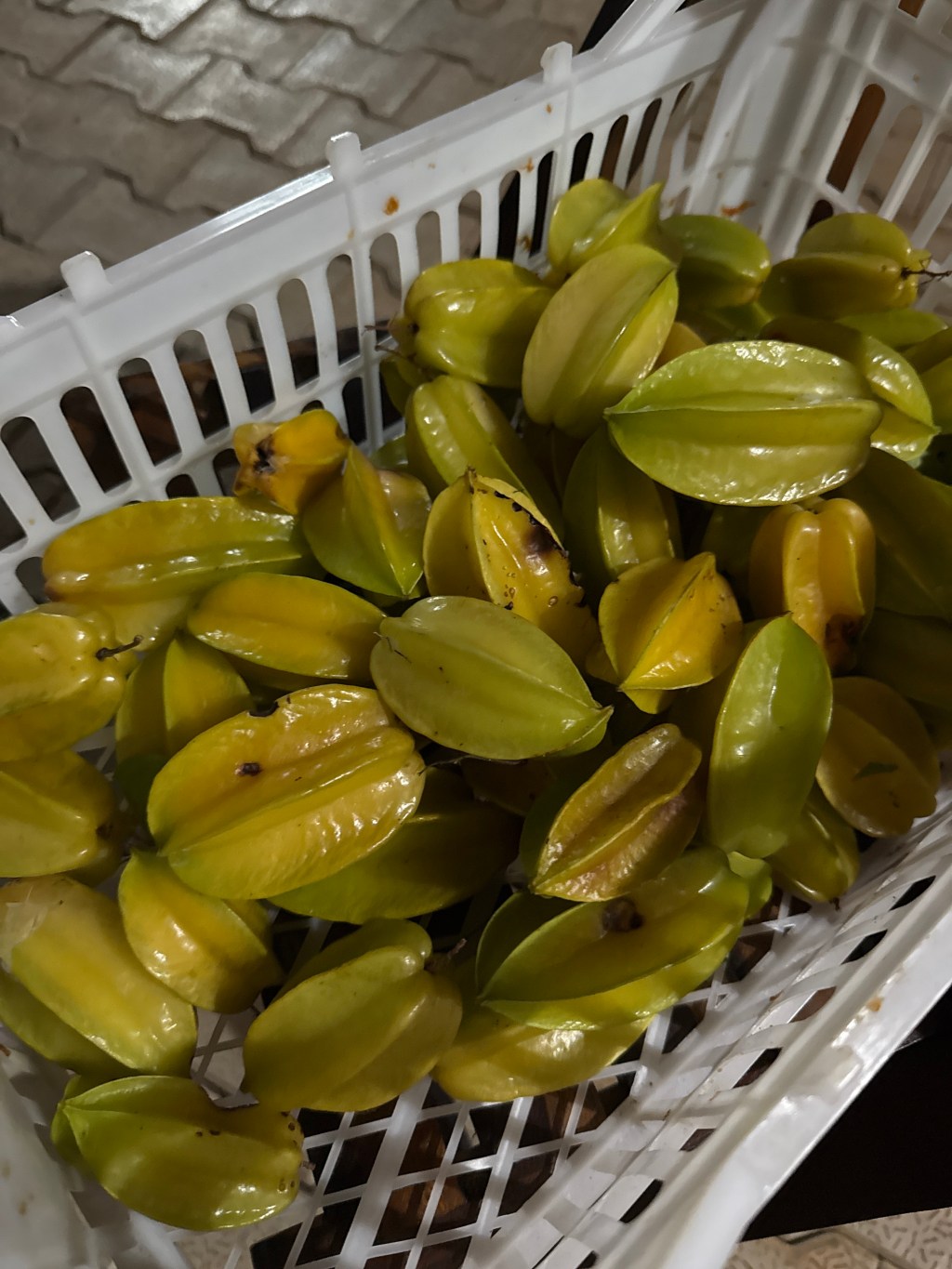
In an age of climate change, soil degradation, and food insecurity, sustainable farming has emerged as a beacon of hope for farmers, consumers, and the planet. It’s more than just a buzzword—sustainable farming is a way of growing food that respects natural ecosystems, supports local communities, and ensures food security for future generations.
What Is Sustainable Farming?
Sustainable farming is an approach to agriculture that focuses on producing food in ways that are environmentally friendly, socially responsible, and economically viable. It emphasizes:
- Soil health
- Water conservation
- Biodiversity
- Low chemical input or organic methods
- Fair treatment of workers and animals
Why Is It Important?
1.
Protecting Natural Resources
Conventional farming methods often exhaust soil nutrients, pollute waterways with chemicals, and lead to deforestation. Sustainable farming focuses on restoring soil health through composting, crop rotation, and organic inputs.
2.
Adapting to Climate Change
By relying on natural cycles and reducing greenhouse gas emissions, sustainable agriculture helps combat climate change. Practices like mulching, intercropping, and agroforestry can reduce vulnerability to erratic weather patterns.
3.
Empowering Local Farmers
Sustainable farming often supports smallholder farmers and community-led initiatives. When farmers have control over their seeds, soil, and markets, they are less dependent on expensive external inputs.
Key Techniques in Sustainable Farming
- Composting & Natural Fertilizers: Using farmyard manure, compost, and bio-fertilizers instead of chemical fertilizers.
- Crop Rotation & Intercropping: Preventing pest cycles and improving soil fertility.
- Rainwater Harvesting: Collecting and storing water for irrigation.
- Integrated Pest Management (IPM): Using natural predators and biopesticides.
- Zero Budget Natural Farming (ZBNF): An Indian model that relies on cow dung, urine, and natural inputs with zero external costs.
Success Stories
Across the world, and particularly in India, farmers are shifting to sustainable models. From the lush paddy fields of Kerala to the dry zones of Karnataka, thousands have embraced organic and natural farming techniques with promising results—higher yields, lower costs, and improved soil quality.
How You Can Support Sustainable Farming
- Buy local and organic produce
- Support farmer cooperatives and markets
- Reduce food waste
- Learn about where your food comes from
The Road Ahead
Sustainable farming is not just for rural farmers—it’s a shared responsibility. Governments, corporations, and consumers all have a role to play in transforming agriculture into a force for good. With growing awareness and innovative techniques, a green revolution—one rooted in sustainability—is not just possible, but already underway.


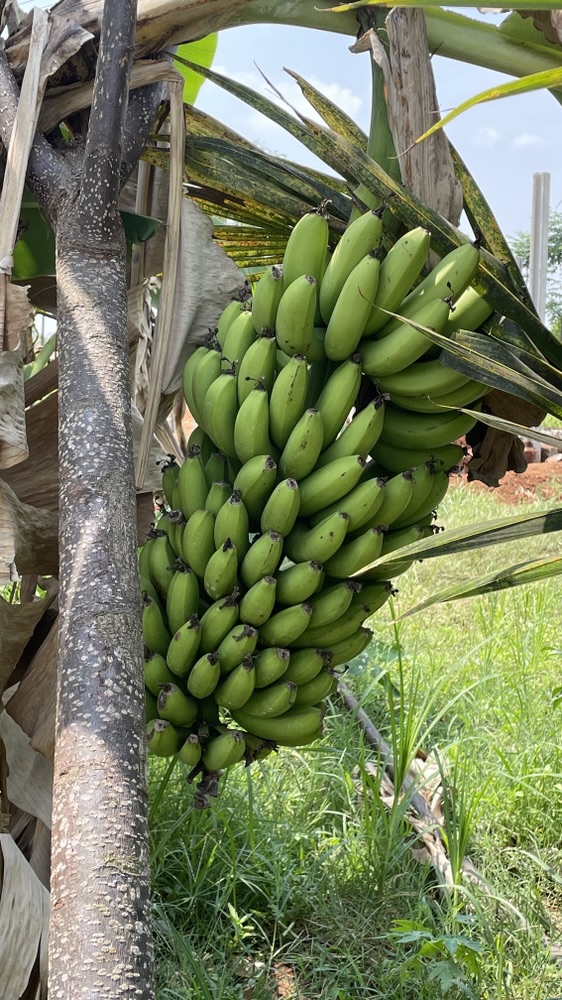

 Kris Food Forest
Leave a comment