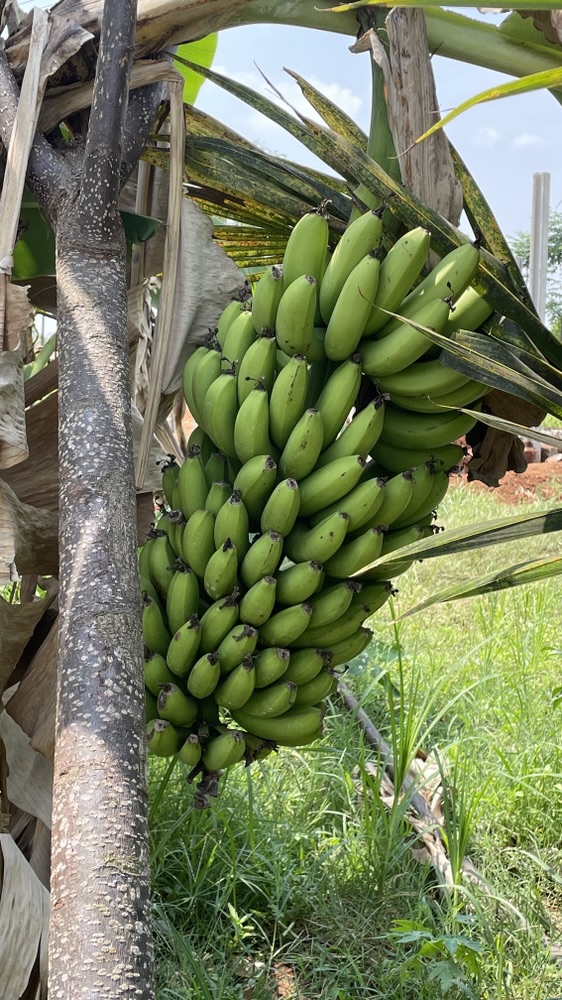
Natural farming is not just a method of cultivation — it’s a lifestyle that promotes sustainability, health, and harmony with nature. While it greatly reduces input costs compared to conventional farming, many farmers still struggle to achieve consistent profits.
That’s where value-added products come in. They are the secret to turning a small, natural farm into a thriving, self-sufficient business.
💡 What Are Value-Added Products?
Value-added products are items created by processing raw farm produce into something more useful, long-lasting, or desirable. For example:
- Turmeric becomes turmeric powder or capsules
- Tomatoes become chutneys or pickles
- Cow dung becomes organic manure or bio-pesticides
- Aloe vera becomes natural skincare gels
This transformation increases the product’s shelf life, market value, and appeal.
📈 Why Are Value-Added Products Important in Natural Farming?
1. Increases Farmer Income
Selling raw turmeric may earn you ₹40 per kg — but turmeric powder, if packaged and branded well, can fetch ₹300 or more. That’s a 7x increase in income from the same harvest!
2. Minimizes Post-Harvest Wastage
Value addition lets you use perishable produce before it spoils. Overripe fruits can become jams or juices. Leafy greens can be dried and powdered for nutritional supplements.
3. Empowers Rural Entrepreneurs
Processing, packaging, and marketing can be done at the farm level, creating jobs in the local community — especially for women and youth.
4. Builds a Strong Brand Identity
Consumers are actively seeking chemical-free, natural, and sustainable products. When you create your own label, customers connect with your story and values.
5. Access to Premium Markets
Natural value-added products can be sold at:
- Farmers’ markets
- Organic stores
- Online platforms (like Instagram, Amazon, or your own website)
- Export markets
This expands your reach far beyond your village or district.
6. Encourages Crop Diversification
When you explore value addition, you begin to grow different types of herbs, fruits, or grains — not just for bulk sale, but for creating unique, high-value products.
Earn More from Natural Farming | Value Addition Explained with Examples
🌾 Real-Life Examples from Our Farm
On our farm, we’ve turned everyday crops into premium offerings:
- Cold-pressed oils from groundnut and coconut
- Moringa powder from dried drumstick leaves
- Herbal hair oils made from hibiscus and curry leaves
- Coconut jaggery, packaged for local and online sale
- Desi ghee from natural-fed cows
These products tell a story — of clean farming, pure ingredients, and love for the land.
🚀 How to Start Creating Value-Added Products
Thinking of starting? Here’s a simple roadmap:
✅ Pick 1 or 2 crops you already grow well
✅ Research simple processing methods (drying, grinding, fermenting)
✅ Create a brand with a logo and eco-friendly packaging
✅ Start selling locally, then expand online
✅ Use storytelling — people love knowing the farmer behind the product
🌱 Final Thoughts
Natural farming is more than growing without chemicals — it’s about growing value from the soil.
With value-added products, we can earn better, waste less, and deliver health to the people — all while preserving our environment and traditions.
By focusing on quality, transparency, and authenticity, small natural farms can thrive in today’s conscious market.
📌 Have you started making value-added products? Share your experience in the comments below! And don’t forget to subscribe for more insights on natural farming.


 Kris Food Forest
Leave a comment